
Why Adult Recreational Soccer Shapes the Mind and Body
Adult recreational soccer is doing far more than keeping people active. It sharpens focus, reduces stress, rebuilds community, and reconnects adults with movement in a way modern life rarely allows.
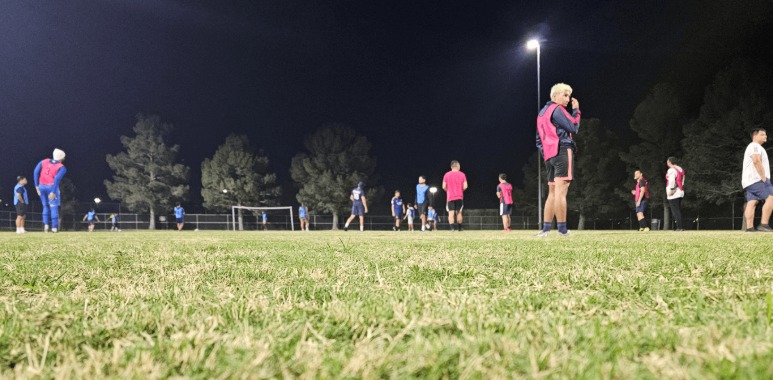
Why Adult Recreational Soccer Is Quietly Shaping Our Minds and Bodies
I didn’t return to soccer to get in shape. That part surprised me. What I was really looking for—without fully realizing it—was a way to clear my head, reconnect with people, and feel present again in a week that often felt like it was running on autopilot.
Somewhere between the first few touches, the shared laughs, and the quiet exhaustion afterward, it became clear that recreational soccer was doing far more than keeping me active.
It looks like a game. It feels like play. But for many adults, it becomes something essential.
Adult recreational soccer doesn’t come with hype or headlines. There are no scholarships on the line, no rankings to chase, no scouts watching from the sidelines. And yet, for the people who show up week after week, it quietly becomes one of the most important parts of their routine.
In a world built around screens, sitting, and constant mental load, recreational soccer offers something rare: movement that requires presence, connection, and intent—all at the same time.
Why So Many Adults Are Returning to Soccer
Many adults don’t return to soccer because they miss competition. They return because they miss how the game made them feel. The sense of flow. The shared effort. The feeling that your body and mind were working together toward something simple and immediate.
Gyms can feel isolating. Solo workouts can feel repetitive. Even other adult sports can feel overly rigid or intimidating. Soccer, especially in a recreational setting, sits in a unique space—it’s structured, but forgiving. Competitive, but welcoming.
For many adults, stepping back onto the field isn’t about going backward. It’s about reconnecting with a version of themselves that felt capable, engaged, and alive.
How Recreational Soccer Actively Shapes the Mind
Soccer demands something most modern activities don’t: full attention. Once the ball is moving, there’s no room for passive participation. You’re reading space, tracking movement, anticipating decisions, and responding in real time.
This constant engagement forces the mind out of rumination. Emails, deadlines, and stressors fade into the background—not because you’re ignoring them, but because your brain is fully occupied with the present moment.
- Improves focus and situational awareness
- Strengthens reaction time and decision-making
- Reduces stress by interrupting mental overload
- Builds confidence through problem-solving under pressure
For many adults, recreational soccer becomes one of the few places where their mind finally gets a break—by being fully engaged.
The Physical Benefits Go Far Beyond “Getting Cardio”
Recreational soccer doesn’t isolate muscles or rely on repetitive motion. Instead, it asks the body to move the way it was designed to move—accelerating, decelerating, turning, balancing, and coordinating across multiple planes.
Because movement is reactive rather than scripted, players naturally develop functional strength and endurance without the monotony of traditional workouts.
- Builds cardiovascular endurance organically
- Improves balance, agility, and coordination
- Strengthens hips, legs, and core
- Maintains joint mobility through dynamic movement
Many adults leave the field tired—but energized. Challenged—but not broken. That balance is what keeps them coming back.
Why Play-Based Fitness Works Long-Term
The biggest challenge in adult fitness isn’t intensity—it’s consistency. Recreational soccer succeeds where many programs fail because it doesn’t rely on discipline alone. It relies on enjoyment.
People don’t show up because they feel guilty. They show up because they’re expected by teammates, because they enjoy the session, and because the activity itself is rewarding.
- Social accountability increases attendance
- Progress happens naturally through repetition
- Motivation remains internal, not forced
- Movement becomes part of identity, not obligation
When fitness feels like play, it stops being something you have to schedule—and becomes something you protect.
The Social and Emotional Impact Adults Don’t Expect
Adult life often shrinks social circles. Work, family, and responsibility leave little room for spontaneous connection. Recreational soccer quietly fills that gap without forcing it.
Teammates become familiar faces. Games become shared experiences. Wins and losses turn into stories. Over time, a sense of belonging forms—not because it was planned, but because it was earned together.
- Creates consistent social interaction
- Encourages communication and teamwork
- Builds trust through shared effort
- Boosts mood through connection and accomplishment
For many adults, the field becomes one of the few spaces where they feel fully themselves—without titles, expectations, or pressure.
Who Adult Recreational Soccer Is Really For
Recreational soccer isn’t reserved for former stars or lifelong athletes. It’s for people who want to move, think, and connect in a way that feels natural again.
Whether you played growing up or are touching a ball for the first time, the recreational environment allows people to meet the game where they are—not where they think they should be.
- Adults returning after years away
- Beginners learning without pressure
- Former competitive players easing back in
- Anyone seeking movement with meaning
Final Thought
Adult recreational soccer isn’t about chasing the past or proving anything. It’s about building something sustainable in the present—health, clarity, and connection through movement.
In a modern world that often separates mental health, physical health, and community, recreational soccer quietly brings them back together—one game at a time.